Tag: plant-based

  • How to Make the Best Vegan Chicken and Waffles

    How to Make the Best Vegan Chicken and Waffles

    Disclaimer: As an Amazon affiliate, I earn from qualifying purchases made through links provided in this post. This comes at no additional cost to you, but it helps support my blog and allows me to continue creating content. Thank you for your support!

    Why You’ll Love This Vegan Chicken and Waffles Recipe

    Chicken and waffles are one of the best breakfast pairings ever! This Southern-style classic combines crispy “chicken” with fluffy waffles, delivering a delightful symphony of flavors. Nonetheless, whether you’re a seasoned plant-based pro or just exploring the wonders of vegan eats, this recipe is a winner for several reasons:

    • Delightfully flavorful – Every bite is a burst of savory and sweet goodness that’ll have you coming back for more.
    • Quick and easy to make – No need for a culinary marathon. With simple steps, you’ll have this delightful dish on your plate in no time.
    • Time-efficient – Perfect for busy mornings—get a tasty breakfast without the wait.
    • Satisfyingly filling – Keeps you full and fueled, ready to conquer the day.
    • Ideal for brunch – Elevate your brunch game with this crowd-pleaser that’s sure to impress.

    Ingredients

    The two main ingredients you’re going to need are waffle mix and oyster mushrooms. The waffle mix is for making the waffle batter (obviously, haha). I like to use Birch Benders Organic Classic Pancake and Waffle Mix, it’s one of my absolute favorites. Then, you’ll need oyster mushrooms to make the “fried chicken”. Any and all seasonings and toppings listed in this recipe can be customized to your liking. It’s totally up to you! Here’s the essentials:

    • Waffle Mix – Birch Benders Organic Classic is my go-to. However, you can use any brand you like, or you make the waffles from scratch.
    • King Oyster Mushrooms – These are best because their shape resembles chicken drumsticks.
    • Plant-Based Milk – I used unsweetened almond milk, but feel free to use any kind you like (oat milk, cashew milk, etc). This is used to create our ‘buttermilk”.
    • Lemon – You only need half of it.
    • Oil – For frying the mushrooms and the waffle batter.
    • Flour – To make batter for the mushrooms

    These seasonings will make your fried “chicken” aka oyster mushrooms super flavorful:

    These will make your waffles taste delicious:

    • Cinnamon
    • Vanilla Extract
    • Butter
    • Maple Syrup

    Equipment You’ll Need

    Fortunately, the equipment you need for this recipe is a staple in most kitchens, so you probably have these items already. And if you don’t have them, they are very inexpensive to buy. You only need these five things:

    • Waffle Iron
    • Whisk – A stainless steel balloon whisk is best, especially in a large size.
    • Two Big Mixing Bowls
    • Measuring Cups & Spoons
    • A Large Pan

    How to Make Vegan Fried Chicken

    1. Rinse off your king oyster mushrooms with water.
    2. Split each mushroom in half, then set them aside.
    3. Pour the plant-based milk into a bowl.
    4. Squeeze half a lemon into the bowl with the plant-based milk, then set aside.
    5. Pour flour into a bowl. Then, add seasonings and stir to combine.
    6. Dip mushrooms in the buttermilk (should be curdled), then dip them in the dry batter.
    7. Continue repeating the last step until the mushrooms are as battered as you want them to be.
    8. Heat oil in a large pan. Once it is hot, place the battered mushrooms in the oil.
    9. Fry until golden brown.

    How to Make Vegan Waffles

    1. Preheat your waffle iron
    2. Pour the waffle mix and cinnamon into a large mixing bowl, then whisk them together.
    3. Add vanilla extract, then whisk until well combined.
    4. Pour waffle batter into the heated waffle iron and cook.

    Video of Recipe

    Frequently Asked Questions

    Can I prepare the Vegan Chicken and Waffles ahead of time?

    Absolutely! While the waffles are best enjoyed fresh, you can prepare the vegan “chicken” in advance and store it in the fridge. Reheat it when you’re ready to assemble your delicious breakfast.

    Can I freeze the Vegan Chicken for future use?

    Certainly! The vegan “chicken” freezes well. Store it in airtight containers, and you’ll have a convenient option for a quick and satisfying breakfast on busy days.

    What toppings pair well with Vegan Chicken and Waffles?

    Get creative! Maple syrup and butter are classic choices, but you can also try savory toppings like vegan gravy, hot sauce, or a drizzle of tahini for an extra flavor kick.

    Are there any gluten-free options for this recipe?

    Absolutely. You can use a gluten-free flour mix for the waffles, and there are various gluten-free flour options for the coating on the vegan “chicken.” Just make sure to check labels for gluten-free and vegan suitability.

    Can I use a store-bought vegan “chicken” alternative?

    Definitely! If you’re short on time, you can opt for store-bought vegan “chicken” alternatives. Just follow the cooking instructions on the package, and you’ll still end up with a delicious dish.

    How can I make this recipe more kid-friendly?

    Consider cutting the waffles and vegan “chicken” into bite-sized pieces for a fun and easy-to-eat meal. You can also provide a variety of dipping sauces for added excitement.

    Happy eating!

    Chicken and Waffles

    Crispy vegan "chicken" meets fluffy waffles in this delightful breakfast combo. Quick, flavorful, and totally satisfying!
    Prep Time 15 minutes
    Cook Time 30 minutes
    Total Time 45 minutes
    Servings: 4 People
    Course: Breakfast
    Cuisine: American

    Ingredients
      

    Fried Chicken aka Oyster Mushrooms
    • 1 lb King Oyster Mushrooms
    • 1/2 Lemon
    • 1 cup Flour
    • 1-2 cup Oil
    • 2 tsp Cajun Seasoning
    • 1 cup Plant-Based Milk
    • 2 tsp Salt
    • 1 tsp Garlic Powder
    • 1 tsp Onion Powder
    • 1 tsp Pepper
    • 2 tsp Paprika
    Waffles
    • 2 cup Waffle Mix
    • 1 cup Water
    • 1 tsp Cinnamon
    • 1 tsp Vanilla Extract
    • 1 tsp Oil
    • Butter For Serving
    • Maple Syrup For Serving

    Equipment

    • 1 Waffle Iron
    • 1 Whisk
    • 2 Big Mixing Bowls
    • Measuring Cups & Spoons
    • 1 Large Pan

    Method
     

    How to Make Vegan Fried Chicken
    1. RinseĀ off your king oyster mushrooms with water.
    2. SplitĀ each mushroom in half, then set them aside.
    3. PourĀ the plant-based milk into a bowl.
    4. SqueezeĀ half a lemon into the bowl with the plant-based milk, then set aside.
    5. PourĀ flour into a bowl. Then, add seasonings and stir to combine.
    6. DipĀ mushrooms in the buttermilk (should be curdled), then dip them in the dry batter.
    7. Continue repeatingĀ the last step until the mushrooms are as battered as you want them to be.
    8. Heat upĀ oil in a large pan. Once it is hot, place the battered mushrooms in the oil.
    9. FryĀ until golden brown.
    How to Make Vegan Waffles
    1. PreheatĀ your waffle iron.
    2. PourĀ the waffle mix and cinnamon into a large mixing bowl, then whisk them together.
    3. AddĀ vanilla extract, then whisk until well combined.
    4. PourĀ waffle batter into the heated waffle iron and cook.
    Notes

    You can add as much or as little seasoning as you’d like.
  • Want to know the difference between vegan, vegetarian, & plant-based diets? Here’s a simple guide.

    Want to know the difference between vegan, vegetarian, & plant-based diets? Here’s a simple guide.

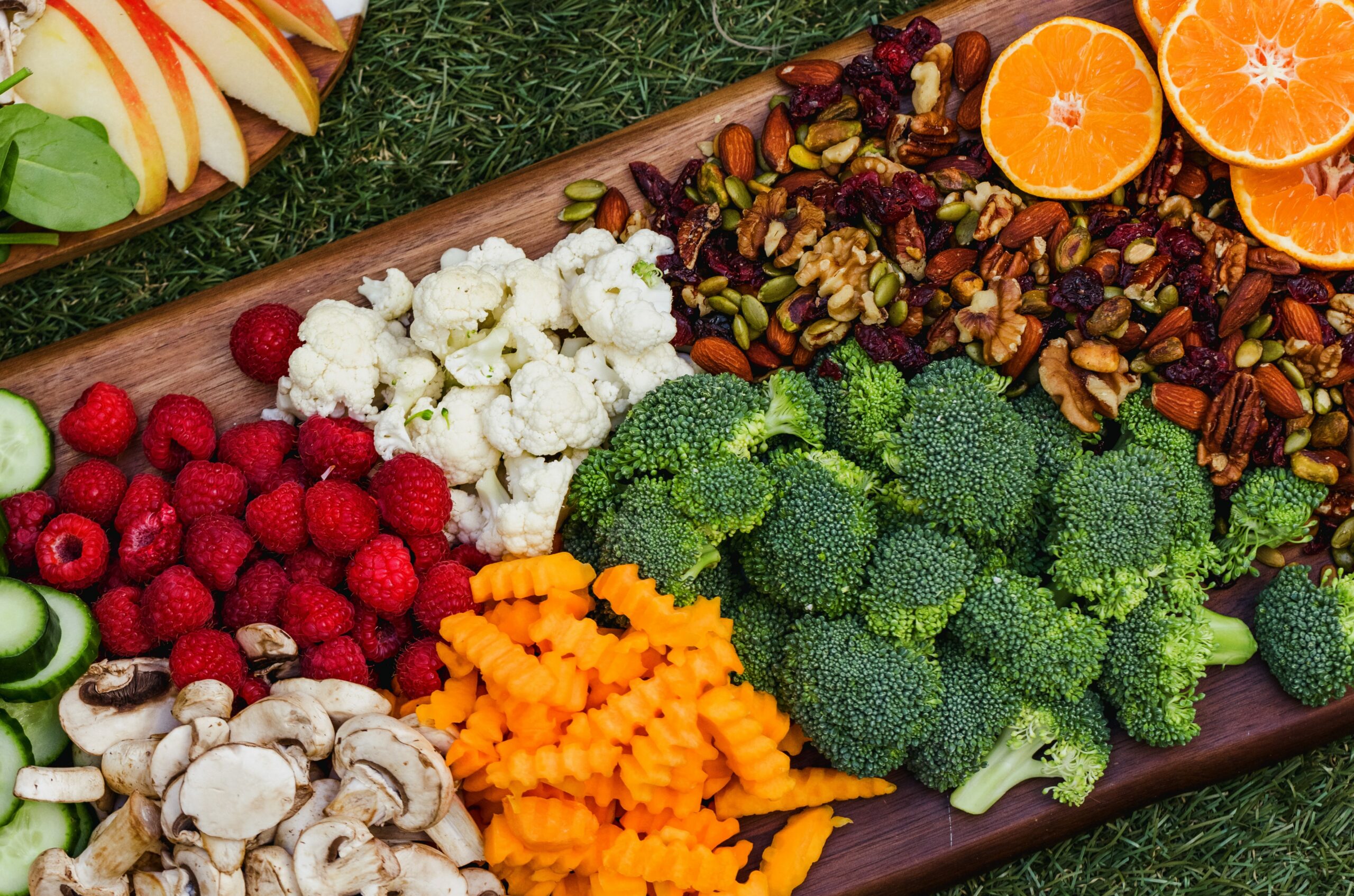
    Board with vegetables, fruits, and nuts, cauliflower, carrots, broccoli,

    With terms like vegan, vegetarian, and plant-based, it can be tough to know where to start. But don’t worry, I’m here to help! This guide will give you a clear understanding of each type of diet so you can choose the one that’s perfect for you.

    Veganism

    Veganism is not just a dietary choice, it’s a lifestyle. It seeks to exclude the use of animals for food, clothing, or any other purpose. This means vegans avoid meat, dairy products, eggs, honey, and any other animal-derived ingredients. They also tend to avoid products that are tested on animals, leather goods, and products made from silk, wool, or any other animal-derived materials.

    For vegans, the avoidance of animal products is a moral, ethical, and environmental choice. They believe that all living beings have the right to be free from harm, exploitation, and suffering. As such, they choose not to participate in any practices that exploit animals, including the consumption of animal products.

    What Do Vegans Eat?

    A vegan diet consists of whole foods such as fruits, vegetables, grains, legumes, nuts, and seeds. Veganism excludes all animal products, including meat, poultry, fish, dairy, eggs, and honey. As limiting as that may sound, there are is a massive variety of plant-based alternatives to choose from. Some alternatives include almond milk (my favorite!), oat milk, tofu, nutritional yeast, and so much more!

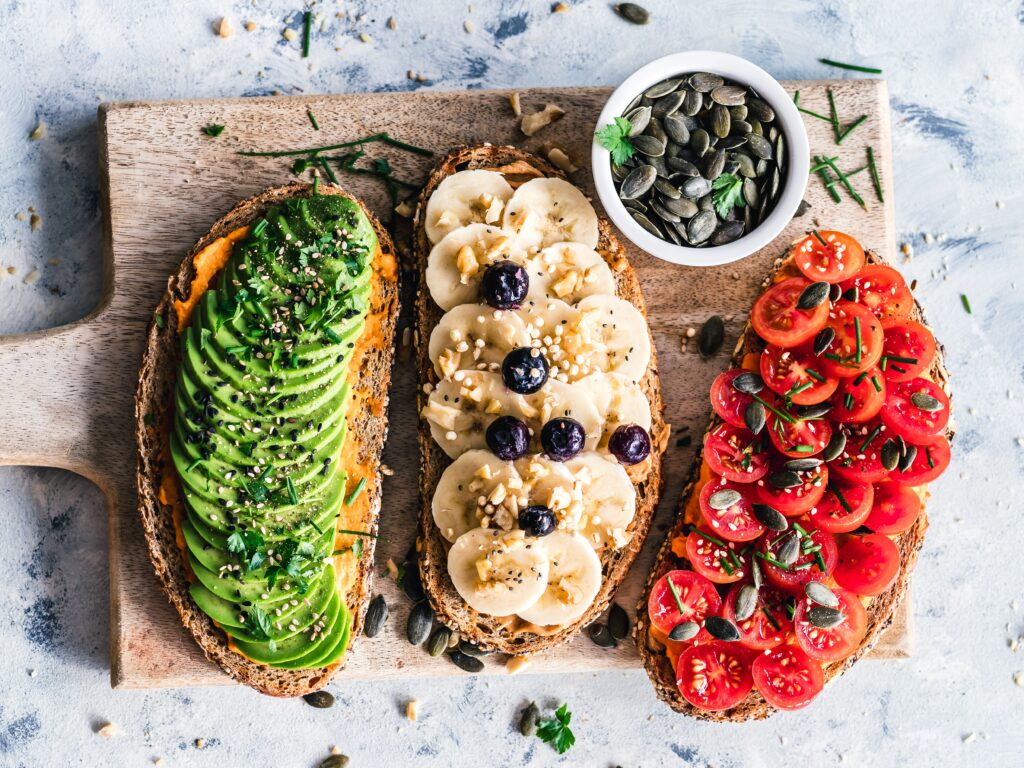
    This is the perfect example of a tasty vegan breakfast.

    Vegetarianism

    Vegetarianism shares the same core values as veganism, but it’s not as strict. Similar to vegans, their diet contains a variety of plant-based foods. Vegetarians avoid eating meat, poultry, and fish, but they may consume dairy products, eggs, and honey. They can also use plant-based substitutes like tempeh and veggie patties.

    There are different types of vegetarianism, including:

    • Lacto-ovo-vegetarianism: This is the most common type of vegetarianism. Lacto-ovo vegetarians consume dairy products and eggs, but avoid meat, poultry, and fish.
    • Lacto-vegetarianism: This type of vegetarianism allows for dairy products but excludes eggs.
    • Ovo-vegetarianism: This type of vegetarianism allows for eggs but excludes dairy products.
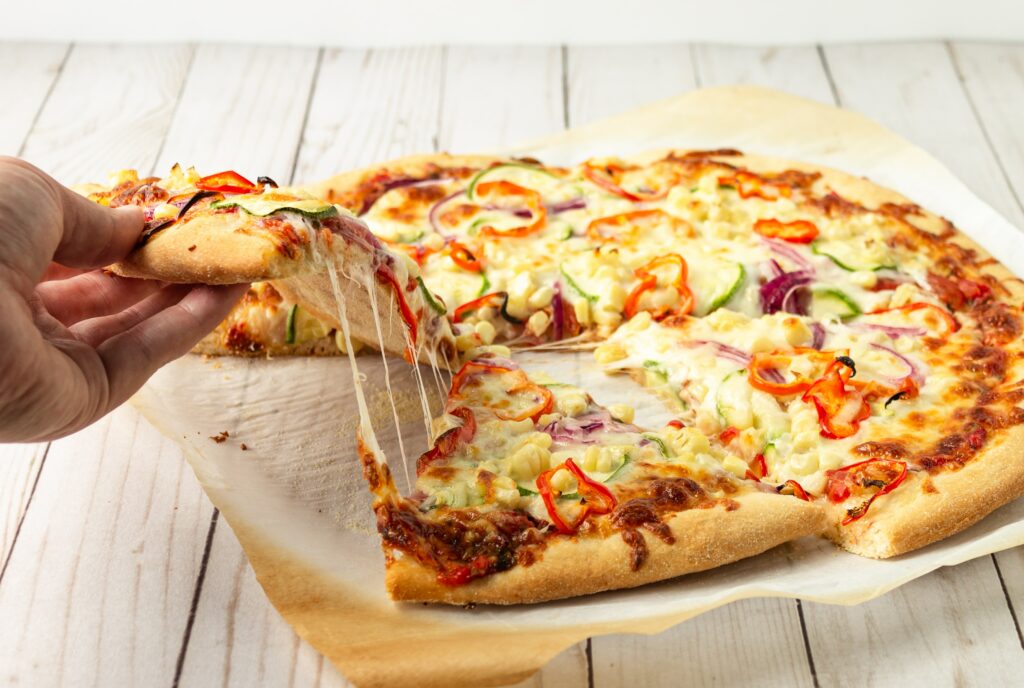
    Vegetarians can eat pizza, as long as there is no meat).

    Plant-Based Diets

    Plant-based diets focus on foods derived from plants, similar to veganism and vegetarianism. However, they offer a more flexibility with the consumption of animal products in moderation. Many who choose this diet eat this way for health or personal reasons, not always for ethical or moral ones like vegans or vegetarians. That’s what makes it a great option for me. I can’t have dairy and choose not to eat meat, but still enjoy a touch of honey here and there. So, my diet remains centered around delicious and nutritious plant-based foods. It’s a win-win for me!

    Believe it or not, I wasn’t always plant-based. In the past, I gave veganism a shot but found that it just wasn’t a good fit for me. As much as I loved the recipes, I loved to wear my UGGs, too. Before I tried veganism, I was a vegetarian for years and ate dairy without realizing it was causing me painful cystic acne. So, I switched to a plant-based diet and it’s been way better for me. I can consume some animal-derived products in moderation, like mayo on my favorite elote—grilled Mexican street corn!

    And if you’re new to plant-based eating, don’t worry! I’ve got an extensive guide to help make the switch a breeze. Whether it’s for health, the environment, or anything else, plant-based eating can be a great choice.

    Final Thoughts

    At the end of the day, it’s all about finding a balance that works for you and your lifestyle. Whether you decide to become vegan, vegetarian, or plant-based, you should always consult with a doctor first. Your personal health should always be a top priority and should be considered first and foremost.

    Overall, each diet has its own unique characteristics and restrictions. Firstly, veganism is the strictest of the three diets and eliminates all animal products, including meat, poultry, fish, dairy, eggs, and honey. Secondly, vegetarianism allows for some animal products, such as dairy and eggs, but still avoids meat, poultry, and fish. And lastly, plant-based diets focus on mostly consuming foods derived from plants, but may allow for some animal products in moderation.

    When deciding which diet is right for you, it’s important to consider your personal values, health goals, and lifestyle. Whether you’re looking to reduce harm to animals and the environment, improve your health, or simply enjoy a variety of plant-based foods, there is a diet that’s right for you.

    So, there you have it! A simple guide to the differences between vegan, vegetarian, and plant-based eating. Remember, the most important thing is to find works for you and helps you feel your best.

    Happy Eating!

    With Love,

  • How to Start a Plant-Based Diet for Beginners: The Easiest & Best Way to Start Now in 2023

    How to Start a Plant-Based Diet for Beginners: The Easiest & Best Way to Start Now in 2023

    plant-based loaded sweet potato fries
    Some yummy loaded sweet potato fries! No dairy necessary!

    Plant-based eating has become increasingly popular in recent years for a variety of reasons, including health benefits, environmental concerns, and animal welfare. However, making the switch to a plant-based diet can be overwhelming for beginners. From understanding what to eat to learning how to make delicious meals, it can be a lot to take in. As a result, I’ve put together this ultimate beginner’s guide to plant-based eating. First, I’ll explain what a plant-based diet is, then I’ll go over tips for making the transition and share some delicious and easy recipes to get you started.

    What is a Plant-Based Diet?

    A plant-based diet is a diet that primarily consists of foods derived from plants, including fruits, vegetables, grains, legumes, nuts, and seeds. This means that a plant-based diet is mostly made up of whole foods and minimizes the consumption of animal products. This can include vegetarian and vegan diets, as well as diets that include some animal products in moderation.

    Look how vibrant these veggies are!

    How do I get started?

    The first step in transitioning to a plant-based diet is to learn about the foods you can eat to ensure you’re getting all the nutrition you need. Some of the key foods to include on a plant-based diet include:

    • Fruits and vegetables: Aim for a variety of colors and types to ensure that you’re getting a wide range of nutrients.
    • Grains: Whole grains such as quinoa, brown rice, and oats are a great source of fiber and other important nutrients.
    • Legumes: Beans, lentils, and chickpeas are all great options for adding protein and fiber to your diet.
    • Nuts and seeds: These are great for adding healthy fats and protein to your meals.

    It’s also important to understand what foods to limit or avoid on a plant-based diet. These can include:

    • Animal products: This includes meat, dairy, and eggs.
    • Processed foods: Many processed foods contain animal products and added sugars, so it’s best to stick to whole foods as much as possible.
    • Added sugars and oils: These can add a lot of unnecessary calories to your diet and should be used in moderation.
    kfc chicken sandwich
    KFC is definitely not plant-based friendly!

    Creating Delicious Plant-based Meals: Tips and Tricks

    Now that you have a better understanding of what to eat, it’s time to start planning your meals. Remember: transitioning to a plant-based diet doesn’t mean sacrificing taste, you can still make delicious and satisfying meals just as you did before! Here are a few tips to help you out:

    • Start by incorporating more plant-based foods into your existing meals. This can be as simple as adding a side of steamed vegetables to your dinner or swapping out cow’s milk for almond milk in your morning coffee.
    • Experiment with different plant-based protein sources. Legumes, nuts, and seeds are all great options for adding protein to your meals.
    • Get creative with spices and herbs. These can add a lot of flavor to your meals without the need for animal products.
    • Try new recipes and cuisines. Plant-based diets are popular all over the world, so there are plenty of delicious and diverse recipes to try.

    Here are a few easy and tasty plant-based recipes to get started:

    Banana Berry Smoothie Bowl

    Banana Berry Smoothie Bowl

    Prep Time: 5 minutes
    Total Time: 5 minutes

    Start your day off right with this delicious plant-based Banana Berry Smoothie Bowl, packed with ripe bananas, mixed berries and nutritious toppings.

    No Ratings

    Ingredients

    • 1 banana
    • 1 cup frozen berries
    • 1 cup coconut milk or almond milk
    • 1 tbsp chia seeds
    • 1 tsp honey or maple syrup (optional)

    Instructions

      1. In a blender, combine the banana, frozen berries, coconut milk or almond milk, chia seeds, and honey or maple syrup (if using).
      2. Blend until smooth and creamy.
      3. Pour the smoothie mixture into a bowl and top with your favorite toppings such as fresh fruits, nuts, and granola.

    Notes

    This recipe is totally vegan as long as you don't use honey for the topping. You can always use agave syrup instead! Personally, I am plant-based, not vegan, so I eat this with honey.

    Nutrition Information:
    Yield: 1 Serving Size: 1
    Amount Per Serving: Calories: 803Total Fat: 55gSaturated Fat: 44gTrans Fat: 0gUnsaturated Fat: 8gCholesterol: 0mgSodium: 46mgCarbohydrates: 81gFiber: 13gSugar: 48gProtein: 10g

    Did you make this recipe?

    Please leave a comment on the blog or share a photo on Instagram!

    Chickpea and Sweet Potato Tacos

    Chickpea and Sweet Potato Tacos

    Cook Time: 45 minutes
    Total Time: 45 minutes

    Looking for a delicious and wholesome meal option? Look no further than our chickpea and sweet potato tacos! These tasty treats feature a hearty filling of chickpeas and sweet potatoes, perfectly spiced and wrapped in a warm tortilla. Perfect for a quick and easy dinner, or as a flavorful lunch option. Give them a try and see for yourself why they're a crowd-pleaser!

    5.0 Stars (1 Review)

    Ingredients

    • 1 can chickpeas, drained and rinsed
    • 1 sweet potato, peeled and diced
    • 1 tbsp olive oil
    • 1 tsp cumin
    • 1 tsp chili powder
    • Salt and pepper, to taste
    • 8 corn tortillas
    • Toppings of your choice (salsa, avocado, cilantro, jalapeƱo)

    Instructions

    1. Preheat the oven to 400 degrees
    2. In a large bowl, mix together the chickpeas, sweet potato, olive oil, cumin, chili powder, salt, and pepper.
    3. Spread the mixture out on a baking sheet and roast in the preheated oven for 25-30 minutes, or until the sweet potato is tender.
    4. While the sweet potato is roasting, heat the tortillas in a dry skillet over medium heat until they are warm and slightly charred.
    5. Once the sweet potato is done roasting, assemble the tacos by spooning the mixture onto the warm tortillas and adding your desired toppings.

    Did you make this recipe?

    Please leave a comment on the blog or share a photo on Instagram!

    Easy Vegan Pasta with Roasted Tomatoes and Basil

    Easy Vegan Pasta with Roasted Tomatoes and Basil

    Prep Time: 10 minutes
    Cook Time: 50 minutes
    Total Time: 1 hour
    No Ratings

    Ingredients

    • 1 lb of pasta
    • 2 cups cherry tomatoes
    • 2 cloves of garlic
    • 2 tbsp olive oil
    • Salt and pepper, to taste
    • 1/4 cup chopped fresh basil

    Instructions

    1. Preheat the oven to 400 degrees F.
    2. In a large bowl, mix together the cherry tomatoes, garlic, olive oil, salt, and pepper.
    3. Spread the mixture out on a baking sheet and roast in the preheated oven for 20-25 minutes, or until the tomatoes are slightly charred.
    4. While the tomatoes are roasting, bring a large pot of salted water to a boil and cook the pasta according to the package instructions.
    5. Once the pasta is done cooking, drain it and return it to the pot.
    6. Once the tomatoes are done roasting, add them to the pot of pasta, along with the chopped basil.
    7. Toss everything together until well combined and serve warm.
    Nutrition Information:
    Yield: 8 Serving Size: 1
    Amount Per Serving: Calories: 129Total Fat: 4gSaturated Fat: 1gTrans Fat: 0gUnsaturated Fat: 3gCholesterol: 0mgSodium: 41mgCarbohydrates: 19gFiber: 2gSugar: 1gProtein: 4g

    These recipes are intended for informational purposes only and are not intended as a substitute for professional nutrition advice.

    Did you make this recipe?

    Please leave a comment on the blog or share a photo on Instagram!

    Rainbow Salad with Balsamic Vinaigrette

    Rainbow Salad with Balsamic Vinaigrette

    Yield: SERVES 4
    Prep Time: 10 minutes
    Total Time: 10 minutes

    A colorful and healthy Rainbow Salad with Balsamic Vinaigrette, packed with a variety of veggies, a perfect balance of flavors, and a simple dressing that will elevate the taste of your salad.

    No Ratings

    Ingredients

    Rainbow Salad

    • 4 cups mixed greens
    • 1 cup cherry tomatoes, halved (red and yellow)
    • 1 cup sliced cucumber
    • 1 cup shredded red cabbage
    • 1 cup shredded carrots
    • 1 diced avocado (optional)

    Balsamic Vinaigrette

    • 1/4 cup balsamic vinegar
    • 2 tbsp olive oil
    • 1 tbsp Dijon mustard
    • 1 clove of garlic, minced
    • 1 tsp honey (or agave nectar)
    • Salt and pepper, to taste

    Instructions

      1. In a large bowl, combine all of the ingredients for the salad.
      2. In a small bowl, whisk together the ingredients for the balsamic vinaigrette.
      3. Pour the dressing over the salad and toss to mix.
      4. Serve chilled.

    Notes

    You can always add as many or as few ingredients as you'd like. For more protein, you can add almonds, cashews, or chickpeas.

    Nutrition Information:
    Yield: 4 Serving Size: 1
    Amount Per Serving: Calories: 203Total Fat: 15gSaturated Fat: 2gTrans Fat: 0gUnsaturated Fat: 12gCholesterol: 0mgSodium: 225mgCarbohydrates: 18gFiber: 6gSugar: 9gProtein: 3g

    Did you make this recipe?

    Please leave a comment on the blog or share a photo on Instagram!

    You’ve got this! I hope this guide has been a helpful resource for you as you begin your journey toward a plant-based diet. Remember, it’s all about taking small steps, so don’t be too hard on yourself. Incorporate more plant-based foods into your meals, experiment with different ingredients and flavors, and most importantly, have fun!

    Happy Plant-based Eating!

    With Love,